The Twelve-Inch Solution: Why the Bento Box May Fix the American Workday Lunch
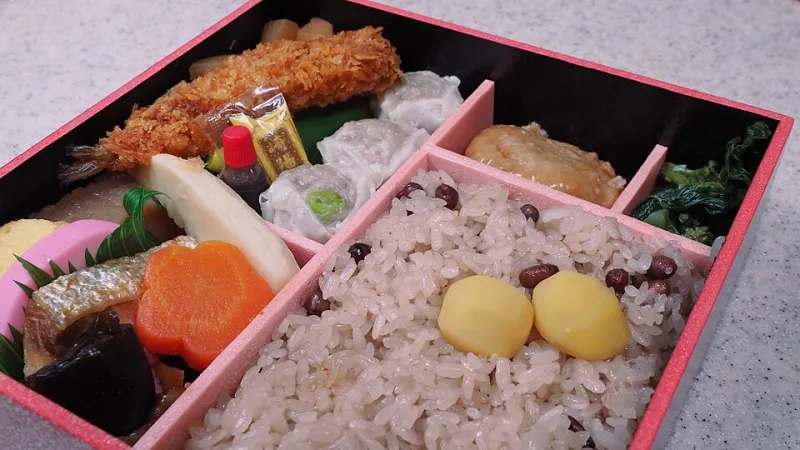
Photo: Ka23 13, CC BY-SA 4.0, via Wikimedia Commons
Ask any American office worker to describe their typical lunch, and you will likely hear one of two stories: the hastily purchased sandwich eaten in twelve distracted minutes, or the leftovers forgotten in a communal refrigerator until they became a science experiment. Neither scenario nourishes much beyond the calendar block it fills.
The Japanese bento offers a third way — and American workers, from Chicago tech offices to Portland hospitals, are quietly adopting it.
A Format Born From Necessity
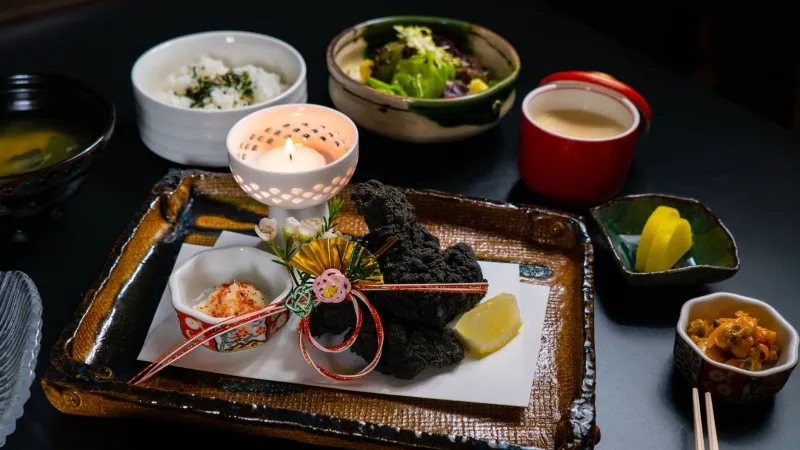
The bento is not a fad product but a working tradition centuries deep, evolving from rice carried by farmers and travelers into the polished ekiben sold at train stations and the lovingly packed boxes of Japanese schoolchildren. Its genius lies in constraints: a fixed container, a balanced composition, and food prepared to be eaten hours later without losing its character.
Those constraints happen to map precisely onto modern American workplace problems. A fixed container ends the guesswork of portion sizes. Balanced composition — a starch, a protein, vegetables prepared two or three ways — replaces the nutrition-label arithmetic. And food designed in advance to travel well eliminates the daily decision fatigue that sends so many of us to the vending machine.
Why the Format Works for the American Desk
Consider what the average midday break actually demands. It must be quick. It should not leave the eater sluggish by 2:30 p.m. It should generate as little waste as possible. The bento answers all three.
Portion control without counting. A standard bento box holds roughly 600 to 800 milliliters. Fill it correctly — grains taking about half the space, protein a quarter, vegetables the remainder — and the proportions manage themselves. There is no weighing, no app, no second-guessing.
Waste reduction by design. Because the box is packed the night before or the morning of, ingredients get used rather than abandoned. Wilted spinach becomes a quick sesame-dressed side. Last night's grilled salmon becomes tomorrow's flaked topping over rice. The format rewards thrift in a way the takeout container never has.
A real break, briefly taken. Perhaps the most underrated benefit: a bento asks almost nothing of the lunch hour itself. No lines, no delivery windows, no leaving the building in the rain. Unbox, eat, close. Many adopters report reclaiming twenty minutes of actual rest — time that compounds across a workweek.
Building Your First Workday Bento
The equipment matters less than the structure, but a few choices make life easier.
Choose the Right Box
A two-tier box suits most American office lunches: rice and a warm element below, vegetables and something bright above. Look for leak-resistant lids and, critically, a microwave-safe base — most US offices will reheat the bottom tier, and rice revives beautifully with a splash of water and ninety seconds of steam.
Follow the Four-Part Composition
Japanese bento tradition offers a simple template that needs no modification for American palates:
- The foundation. Short-grain rice is classic, but brown rice, farro, or even seasoned quinoa work. Season it — furikake, toasted sesame, a drizzle of soy — because plain starch is where desk lunches go to die.
- A substantial protein. Think beyond the slice of chicken breast. Teriyaki meatballs, tamagoyaki (a rolled Japanese omelet), marinated tofu, or miso-glazed fish all hold up at room temperature better than most deli meat.
- Two or three vegetable preparations. The variety is the point. Blanched broccoli with sesame, quick-pickled cucumber, cherry tomatoes. Small amounts, distinct flavors.
- A moment of delight. A few berries, a square of dark chocolate, a single in-season plum. The bento has always made room for a small pleasure, and the desk lunch needs one too.
The Weekend Prep Ritual
Busy weekday mornings are where good intentions fail, so move the work to Sunday. Cook a pot of rice and freeze portions flat in quart bags — they microwave back to near-fresh in two minutes. Batch two proteins and two vegetable sides. Assemble each evening in under ten minutes, or pack three boxes at once if your Wednesday self can be trusted with Tuesday's leftovers.
One caution borrowed directly from Japanese home practice: pack the box only as full as it will be eaten, and cool cooked food before sealing the lid. Food safety, like the bento itself, rewards restraint.
More Than a Container
There is a temptation to treat the bento as mere meal-prep with better branding. That undersells it. The tradition encodes a philosophy — that a meal eaten away from home deserves the same composition, care, and visual order as one served at a table. In Japan, the phrase me no ryōri, or "cooking for the eyes," applies even to a box carried on a commuter train.
American work culture does not always leave room for ceremony, and the bento does not demand any. It asks only that we pack something intentional instead of settling for something incidental. For a midday break that has too often been an afterthought, that is a meaningful exchange — twelve inches of lacquered order in an otherwise scattered day.