The Grain That Changes Everything: A Serious American Cook's Guide to Japanese Rice
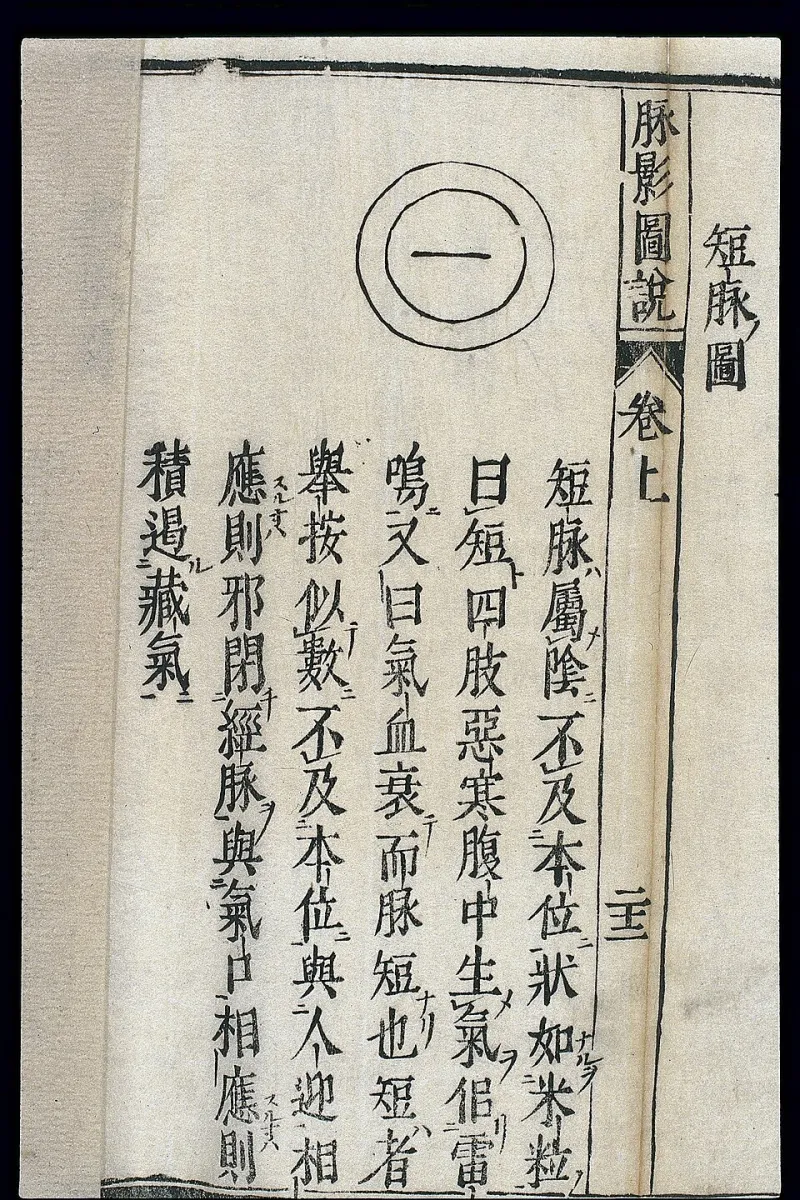
Photo: Unknown authorUnknown author, CC BY 4.0, via Wikimedia Commons
Ask a Japanese chef what the most important ingredient in his kitchen is, and the answer will rarely be the aged dashi, the hand-harvested sea salt, or the single-origin soy sauce. It will almost certainly be the rice. Not rice as a category, but a specific variety, from a specific prefecture, grown in a specific season, prepared according to a method refined over decades. The precision of this answer tends to surprise American cooks, for whom rice has historically been a background player — a neutral starch that supports more interesting things happening elsewhere on the plate.
That perception is changing, slowly but with real momentum, as American home cooks and professional chefs begin to engage seriously with Japanese culinary tradition. And rice, it turns out, is where that engagement becomes most instructive.
Why "Sushi Rice" Is the Wrong Starting Point
The phrase "sushi rice" has done considerable damage to the American understanding of Japanese grains. It suggests that rice, in the Japanese context, is defined by its application — that it exists to hold fish together, to be shaped into rolls, to serve as a vehicle. This inverts the actual relationship entirely.
In Japanese cuisine, rice is not a vehicle. It is the destination. A bowl of properly cooked gohan — plain white rice, nothing added — represents one of the most technically demanding preparations in the Japanese culinary repertoire. The vinegar-seasoned rice used in sushi is a variation on a perfected base, not the base itself.
The shorthand of "sushi rice" also collapses a rich taxonomy of varieties into a single undifferentiated category. Japanese short-grain rice — Japonica — encompasses dozens of cultivars with meaningfully different flavor profiles, textures, and ideal applications. Treating them as interchangeable is roughly analogous to using "pasta" to describe both a delicate angel hair and a thick pappardelle without distinction.
The Varieties Worth Knowing
For American cooks beginning to navigate this landscape, a few key varieties merit particular attention.
Koshihikari is the variety most likely to be encountered in serious Japanese restaurants across the United States, and for good reason. Developed in Fukui Prefecture in the 1950s, it has become the benchmark cultivar against which others are measured — slightly sweet, with a clean, milky aroma when freshly cooked, and a texture that holds its structure while remaining tender. Niigata Prefecture's Koshihikari, grown in the mineral-rich snowmelt waters of the region, is considered by many Japanese cooks to be the finest expression of the variety.
Sasanishiki offers a useful contrast. Where Koshihikari is rich and slightly sticky, Sasanishiki is lighter, with a more neutral flavor profile and a firmer bite. Many traditional sushi chefs — particularly those trained in older Tokyo styles — prefer it precisely because its restraint allows the fish to lead. It has become somewhat harder to source in the United States, but specialty Japanese grocery stores in major cities typically carry it.
Haenuki, grown primarily in Yamagata Prefecture, is less familiar to American cooks but worth seeking out. It combines the sweetness of Koshihikari with a slightly firmer texture and a fragrance that becomes particularly pronounced when the rice is served at room temperature — an important quality for certain sushi preparations.
Mochigome, the glutinous short-grain rice used in mochi and sekihan (red bean rice), operates outside the everyday cooking category but deserves mention for American cooks interested in Japanese confectionery and ceremonial dishes.
Water, Ratio, and the Patience Problem
Once a variety is selected, the variables of water ratio and technique become critical. Japanese rice preparation is not complicated, but it is unforgiving of impatience, and American cooking culture has a complicated relationship with patience.
The washing step — rinsing the rice until the water runs clear — is non-negotiable. It removes excess surface starch, which would otherwise create a gluey, over-cohesive texture. Many American cooks skip this step or perform it cursorily. The difference in the finished grain is immediately apparent to anyone who has eaten rice prepared by a Japanese cook who takes this step seriously.
Water ratios vary by variety and age of the rice, but a reliable starting point for most Japonica short-grain varieties is a 1:1.1 ratio of rice to water by volume. New-crop rice (shinmai), harvested in the fall and prized for its freshness, contains more natural moisture and typically requires slightly less water. Older rice, which has dried out during storage, may need marginally more. Learning to read the grain rather than follow a fixed formula is one of the more satisfying skills a cook can develop.
The soaking period — thirty minutes to an hour before cooking — allows the grain to hydrate evenly, producing a more consistent texture throughout. The resting period after cooking, ten to fifteen minutes with the lid undisturbed, allows the steam to redistribute and the surface moisture to equalize. These are not optional refinements; they are structural to the result.
Fermentation, Koji, and the Extended Conversation
Beyond plain cooked rice lies a vast territory of fermented and transformed applications that American cooks are beginning to explore with genuine curiosity. Koji — Aspergillus oryzae, the mold cultivated on rice to produce sake, miso, and soy sauce — has entered the vocabulary of American professional kitchens at a remarkable pace over the past decade. Chefs at restaurants with no Japanese affiliation whatsoever are using koji-fermented rice preparations to add the enzymatic complexity and gentle sweetness that the mold produces.
Amazake, a lightly fermented rice beverage made from koji and cooked rice, has found a small but growing audience among health-conscious American consumers. Rice vinegar — produced through the fermentation of sake — has moved well beyond Japanese cooking into American pantries, valued for its mild acidity and clean finish in dressings and pickling.
Each of these applications traces back to the same foundational ingredient: a short-grain Japonica rice, properly grown, properly stored, and properly prepared. The sophistication of the downstream product is inseparable from the quality of what came before it.
Practical Guidance for the American Kitchen
For those ready to begin this exploration in earnest, a few practical notes are worth keeping in mind.
Source matters enormously. Rice grown domestically under Japanese cultivar licenses — primarily in California — can be excellent, and brands such as Tamaki Gold and Koda Farms' Kokuho Rose represent serious, reliable options. Imported Japanese rice, available at Japanese grocery chains such as Mitsuwa and Marukai, offers access to prefecture-specific varieties that domestic production cannot yet replicate.
Storage is underappreciated. Rice stales. Exposure to air, heat, and humidity degrades the delicate aromatic compounds that make a fine Koshihikari distinctive. Storing rice in an airtight container in a cool, dark location — or, ideally, in the refrigerator — preserves its quality meaningfully.
A dedicated rice cooker, while not strictly necessary, makes consistent results substantially easier to achieve and represents a worthwhile investment for any cook serious about Japanese cuisine.
The deeper lesson, however, is not technical. It is perceptual. Japanese culinary culture treats rice as worthy of the same focused attention that French cuisine gives to a great stock or a carefully sourced piece of protein. Adopting that orientation — even partially — changes the quality of everything you cook with it.