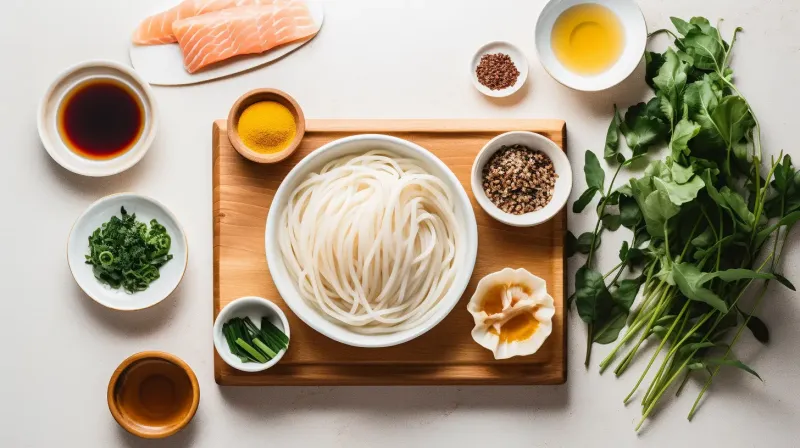
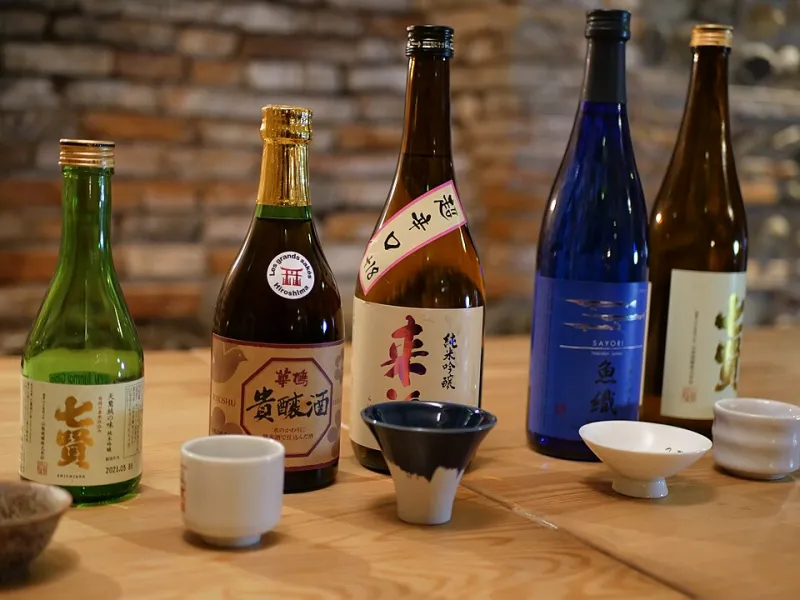
Cooking with the Calendar: A Practical American Guide to Japan's Art of Seasonal Eating
There is a word in Japanese that has no direct equivalent in English: kisetsukan. Loosely translated as "seasonal feeling" or "seasonal consciousness," it describes an awareness of — and active attunement to — the rhythms of the natural world as expressed through food, landscape, and daily life. For a professional chef in Tokyo's Shibuya district, kisetsukan is not a marketing concept or a trend. It is a foundational discipline, as essential to the craft as knife technique or broth-making.
For American home cooks, this philosophy offers something quietly revolutionary: a way of approaching the kitchen that restores meaning, reduces waste, and — perhaps most importantly — makes every meal taste demonstrably better.
Why Seasonal Eating Fell Out of Fashion in America
It was not always the case that American kitchens were disconnected from the seasons. For much of the country's history, seasonal eating was simply eating — a practical reality shaped by what the land produced and what could be preserved. The expansion of industrial agriculture and transcontinental supply chains in the latter half of the twentieth century gradually severed that relationship, delivering strawberries in December and butternut squash in June with such regularity that the seasons lost their culinary meaning.
The consequence is subtler than it might appear. When ingredients are available year-round regardless of their natural harvest window, they are typically grown for durability and shelf life rather than flavor. A tomato engineered to survive a cross-country refrigerated journey is a fundamentally different object from one ripened on the vine in late August and eaten within days of harvest. The nutritional profile differs. The texture differs. The taste differs profoundly.
Japanese culinary culture never fully made this trade. The concept of shun — the peak moment of an ingredient's flavor and vitality — remains central to professional and home cooking alike. A Japanese chef will tell you with conviction not only which month a given ingredient is at its finest, but which week.
A Season-by-Season Framework for the American Kitchen
Adapting kisetsukan to an American context does not require sourcing exotic imports or adhering to rigid rules. It begins with a simple reorientation: letting the season lead, rather than the recipe.
Spring (March through May)
In Japan, spring is announced not merely by cherry blossoms but by the arrival of takenoko (bamboo shoots), young fuki (butterbur), and the first sansai (mountain vegetables) of the year. For American cooks, the analogous impulse is the arrival of asparagus, ramps, spring peas, and tender lettuces at farmers markets.
A practical spring application of kisetsukan: build a simple dashi-based broth and poach lightly blanched asparagus in it with a small amount of white miso and fresh ginger. The result is a soup that tastes unmistakably of the season — clean, green, and alive. Ramps, when available, can be pickled in a light rice vinegar brine with a pinch of salt and sugar, producing a condiment that bridges Japanese and Appalachian culinary traditions with surprising elegance.
Spring ingredient spotlight: Snap peas, fiddlehead ferns, and fresh shiso (widely available at Asian grocery stores) pair beautifully in a light sesame dressing.
Summer (June through August)
Japanese summer cooking prioritizes cooling, hydrating preparations. Hiyayakko (chilled silken tofu with ginger and scallion), cold soba noodles with dipping sauce, and cucumber pickled in rice vinegar are staples of the season for good reason — they deliver relief from heat while celebrating produce at its most abundant.
American summer markets overflow with tomatoes, corn, zucchini, and peppers. Apply a Japanese sensibility by resisting the urge to cook everything. Thinly sliced heirloom tomatoes dressed with a small amount of ponzu, sesame oil, and flaky salt need nothing more. Corn kernels cut from the cob and tossed with miso butter and a few drops of yuzu juice become something extraordinary.
Summer ingredient spotlight: Shishito peppers, now widely available at American grocery chains, are a direct import from Japanese summer cooking. Blister them in a dry cast-iron pan and serve with a dipping sauce of equal parts soy sauce and rice vinegar.
Autumn (September through November)
Autumn is regarded in Japan as the richest season for food — shokuyoku no aki, or "autumn of appetite." Mushrooms, sweet potatoes, chestnuts, persimmons, and the first sanma (Pacific saury) define the season's table. The flavors deepen, the preparations warm, and the act of eating becomes more deliberate.
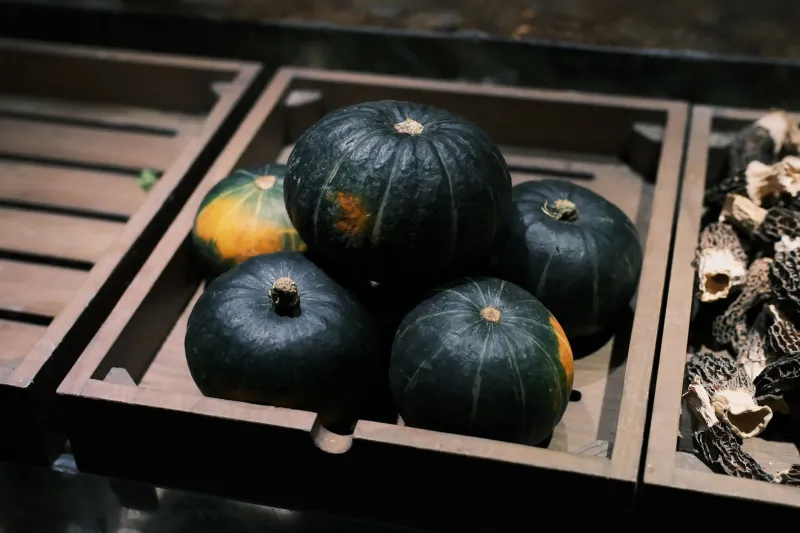
For American cooks, autumn is the season to explore Japanese techniques with domestic ingredients. Roasted kabocha squash — now available in most American supermarkets — braised with dashi, soy sauce, mirin, and sake produces a dish of extraordinary depth. Wild mushrooms such as maitake and hen-of-the-woods, increasingly available at specialty stores and farmers markets, reward a simple sauté in butter and soy with a complexity that rivals any European preparation.
Autumn ingredient spotlight: Kabocha squash deserves more attention in the American kitchen. Its natural sweetness and dense, smooth flesh make it ideal for both savory braises and dessert preparations.
Winter (December through February)
Winter Japanese cooking centers on warmth, nourishment, and gathering. Nabe (hot pot) is the defining preparation of the season — a communal dish built slowly at the table, adding ingredients to a simmering broth that grows richer with each addition. Root vegetables, firm tofu, leafy greens such as napa cabbage, and thinly sliced proteins are typical components.
American cooks can adopt the nabe format using entirely domestic ingredients: a base of homemade chicken or vegetable broth enriched with kombu and a spoonful of white miso, filled with parsnips, turnips, kale, and whatever protein the season and household prefer. The communal nature of the dish — everyone eating from a shared pot — echoes the gathering spirit of American winter holidays in ways that feel intuitive rather than foreign.
Winter ingredient spotlight: Daikon radish, widely available year-round but at its sweetest in winter, can be slow-braised in dashi and soy sauce until tender throughout — a preparation called furofuki daikon that converts skeptics with a single bite.
Bringing Kisetsukan Home
The practical starting point for any American cook interested in kisetsukan is simple: visit your nearest farmers market once a week and let what you find there determine what you cook. Resist the impulse to plan meals around a fixed recipe and then shop for ingredients. Reverse the process.
Over time, this practice builds an intuitive seasonal literacy — an awareness of what belongs to which month, which combinations nature has already optimized, and which preparations honor an ingredient at its peak. It is, in essence, what Japanese professional chefs spend years cultivating, and it is available to any home cook willing to let the calendar lead.
At Daikoku Ginza, our commitment to authentic Japanese cuisine is rooted in precisely this philosophy. The seasons are not a constraint. They are the most generous creative partner any cook can have.