Daikoku Ginza Authentic Japanese Cuisine in the Heart of America

Daikoku Ginza

Authentic Japanese Cuisine in the Heart of America

Latest Articles

Soup, Rice, Pickles, Repeat: The Nine-Dollar Lunch Formula Quietly Outperforming the Downtown Salad Bar
Food Guide

Soup, Rice, Pickles, Repeat: The Nine-Dollar Lunch Formula Quietly Outperforming the Downtown Salad Bar

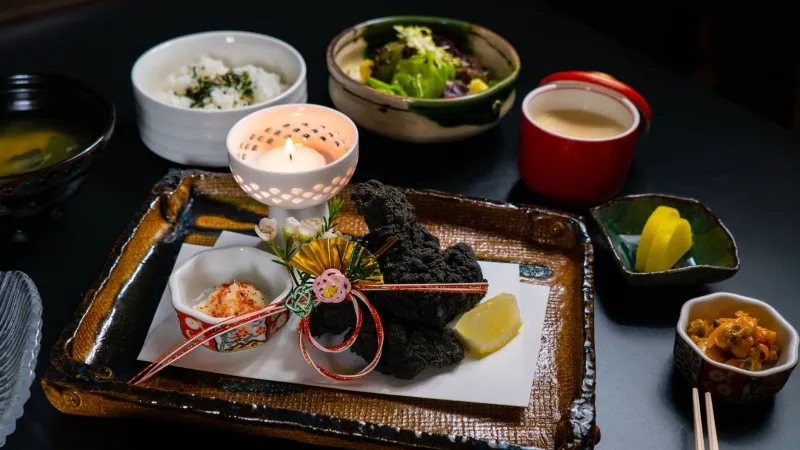
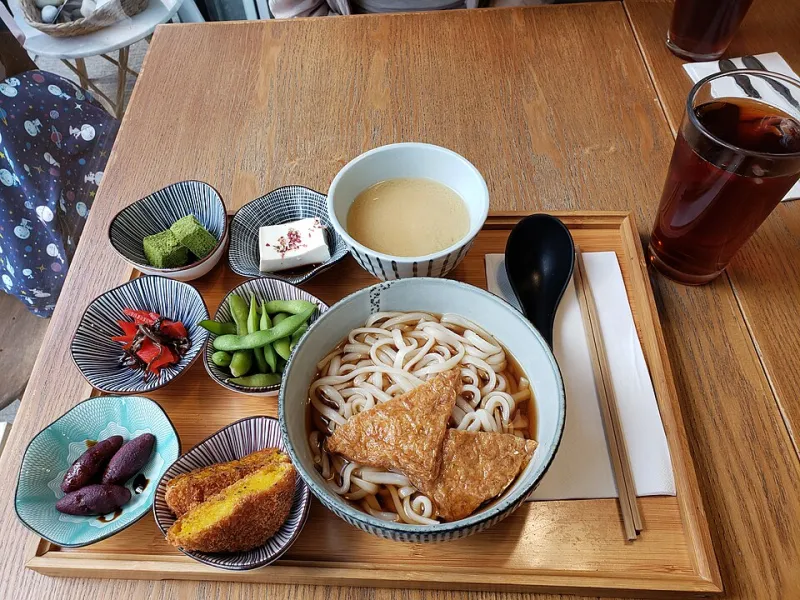
The average office lunch in an American downtown now hovers near eighteen dollars, and it rarely satisfies. A traditional Japanese teishoku set delivers more nutrition, more variety, and considerably more satisfaction for roughly half the price — and every ingredient is available at your neighborhood Kroger.
Bring the Counter Home: What a $200 Pantry Haul Really Buys the American Omakase Cook
Food Guide

Bring the Counter Home: What a $200 Pantry Haul Really Buys the American Omakase Cook

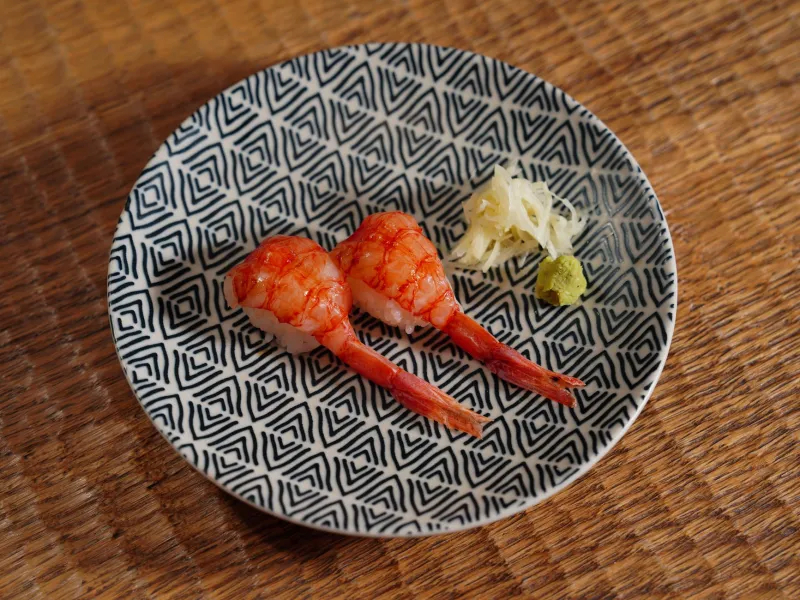
A growing number of American home cooks are skipping the reservation and investing the price of a tasting menu into their own pantries instead. We followed the receipts to find out where the money goes, which premium ingredients justify the splurge, and how to stage a multi-course dinner in an ordinary suburban kitchen.

From the Soup Bowl to the Butter Board: How Miso Quietly Conquered the American Pantry
Food Guide

From the Soup Bowl to the Butter Board: How Miso Quietly Conquered the American Pantry

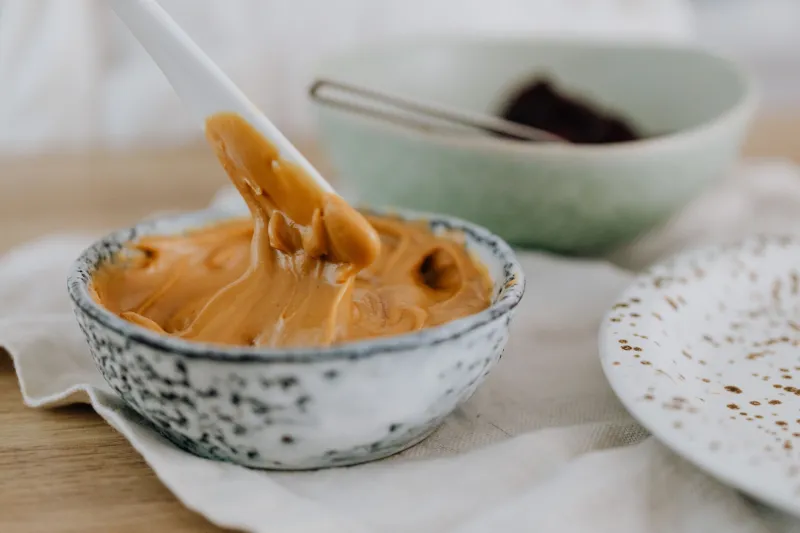
Long relegated to a thin broth beside sushi platters, miso has become one of the most versatile ingredients in American kitchens. We trace its journey from Kyoto fermentation houses to Midwest farm co-ops — and explain which tub to buy first.

Rolled, Not Scrambled: The Deceptive Art of Tamagoyaki and One American Cook's Humbling Education
Culture & Cuisine

Rolled, Not Scrambled: The Deceptive Art of Tamagoyaki and One American Cook's Humbling Education

It looks like nothing more than a folded omelet, yet in Tokyo's sushi counters, apprentices spend years before they are trusted to make it. We follow one American home cook through a month of cracked shells, torn layers, and slow progress toward mastering tamagoyaki — and map a realistic path for anyone who wants to try at home.

Two Ingredients, Five Minutes: The Japanese Breakfast Quietly Winning Over American Mornings
Food Guide

Two Ingredients, Five Minutes: The Japanese Breakfast Quietly Winning Over American Mornings

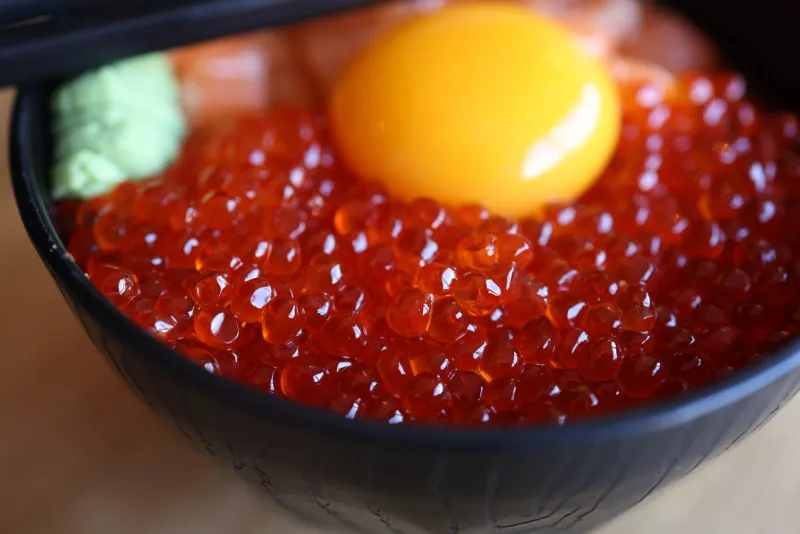
Raw egg over rice — Japan's simplest morning ritual — is finding a foothold in American kitchens obsessed with protein and speed. We look at why this humble dish works, how to source eggs safely, and what it reveals about the way we eat.

Before the Bill, a Bowl of Rice: Why American Kitchens Are Rethinking How a Meal Ends
Culture & Cuisine

Before the Bill, a Bowl of Rice: Why American Kitchens Are Rethinking How a Meal Ends

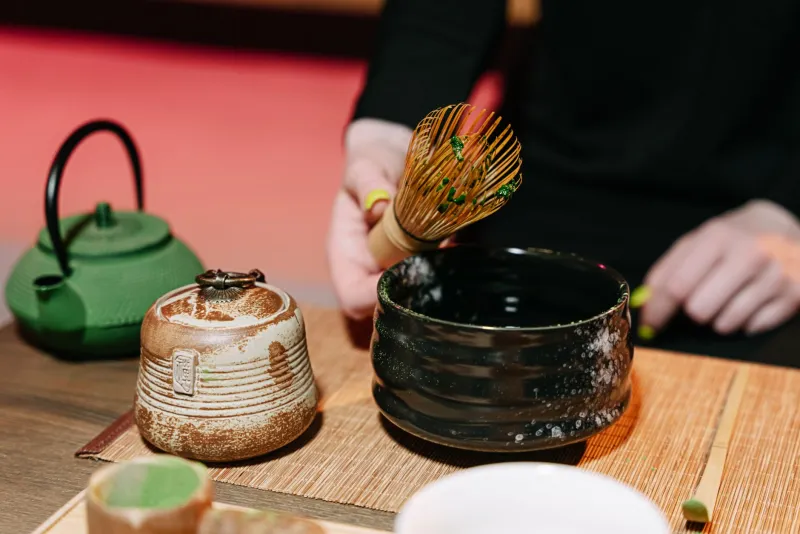
In kaiseki, the final course is not an afterthought but a deliberate act of closure — plain rice, pickles, and a bowl of whisked matcha. As American tasting menus grow longer and louder, a quiet countermovement is borrowing Japan's ending to give diners something they didn't know they were missing.

Past Midnight, the Best Meal in Town Comes From a Refrigerator Case
Culture & Cuisine

Past Midnight, the Best Meal in Town Comes From a Refrigerator Case

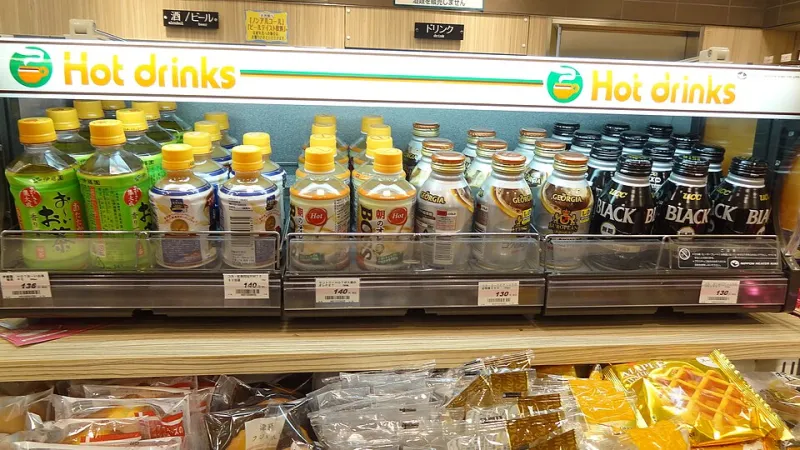
Japan's convenience stores have quietly perfected the art of the late-night meal — precise, affordable, and oddly dignified. Now American retailers and home cooks are racing to catch up, one onigiri and egg sando at a time.

After Hours, Before Dawn: Why America Craves a Bowl of Broth at Midnight
Food Guide

After Hours, Before Dawn: Why America Craves a Bowl of Broth at Midnight

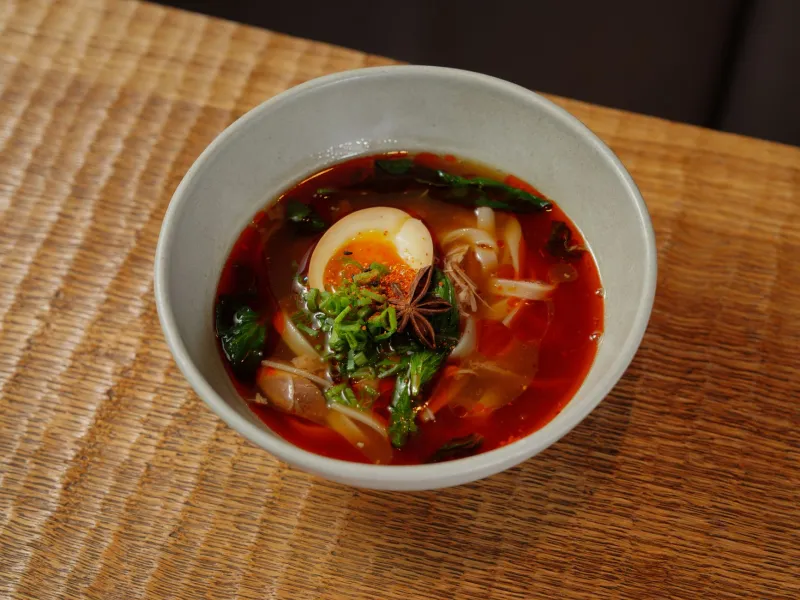
Across American cities and college towns, the post-bar pizza slice is losing ground to steaming bowls of ramen and donburi. We trace how Japanese comfort food claimed the midnight hour — and where to find the best late-night bowls from coast to coast.

Small Plates, Long Nights: The Quiet Rise of the American Izakaya
Culture & Cuisine

Small Plates, Long Nights: The Quiet Rise of the American Izakaya

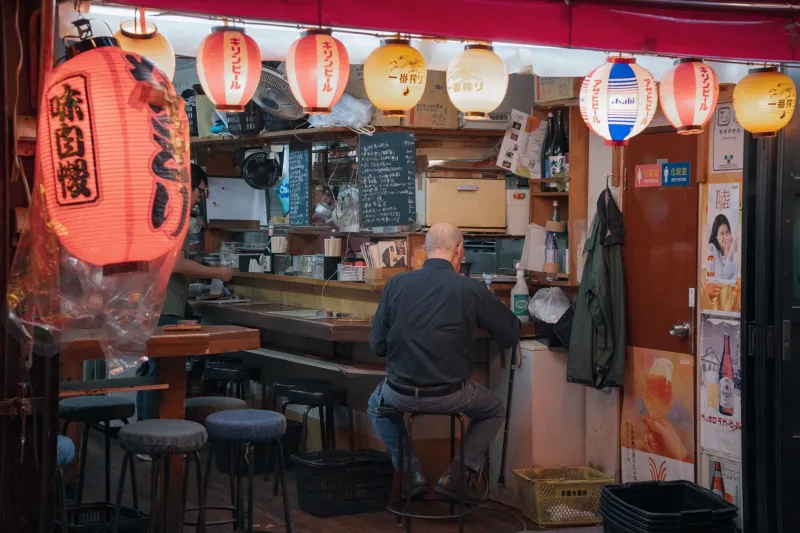
From Portland basements to Los Angeles strip malls, the izakaya format is quietly reshaping how Americans drink and dine. We look at why this Japanese institution translates so well — and what first-time visitors should know before pulling up a stool.

Ten Minutes to a Better Kitchen: The Dashi Method American Home Cooks Keep Overlooking
Food Guide

Ten Minutes to a Better Kitchen: The Dashi Method American Home Cooks Keep Overlooking

Dashi, the humble broth of kombu seaweed and bonito flakes, requires less effort than boiling water for pasta yet delivers a depth of flavor that American pantries rarely achieve. Here is how to make it, where to find the ingredients in the US, and why it may finally replace the bouillon cube.

One Evening, Never Again: How Ichigo Ichie Is Changing What American Diners Expect from a Reservation
Culture & Cuisine

One Evening, Never Again: How Ichigo Ichie Is Changing What American Diners Expect from a Reservation

In Ginza's most exclusive dining rooms, no two meals are ever the same — and that is precisely the point. We explore the philosophy of ichigo ichie, why it unsettles Americans raised on repeat favorites, and where you can experience a truly unrepeatable dinner without leaving the United States.

The Twelve-Inch Solution: Why the Bento Box May Fix the American Workday Lunch
Food Guide

The Twelve-Inch Solution: Why the Bento Box May Fix the American Workday Lunch

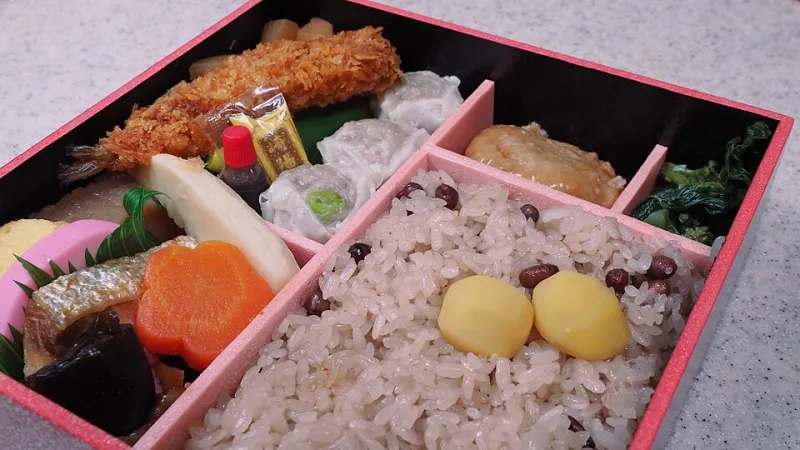
Somewhere between the sad desk salad and the 1:15 p.m. drive-thru run, American workers are discovering a centuries-old answer to the midday slump. This guide explores how the Japanese bento tradition solves portioning, waste, and burnout — and how to build one that survives a Monday morning.

Service That Anticipates: How Omotenashi Is Quietly Redefining the American Dining Room
Culture & Cuisine

Service That Anticipates: How Omotenashi Is Quietly Redefining the American Dining Room

In Japan, the finest service is the service you never notice. As American restaurants search for an alternative to transactional, tipping-driven service, more of them are turning to omotenashi — a philosophy of selfless, anticipatory care. Here is what it looks like in practice, and how diners can learn to recognize it.

Rice, Soup, Fish, Repeat: How Japan's Set-Meal Tradition Is Quietly Winning Over American Lunch Tables
Food Guide

Rice, Soup, Fish, Repeat: How Japan's Set-Meal Tradition Is Quietly Winning Over American Lunch Tables

Teishoku — the disciplined Japanese set meal of rice, miso soup, grilled fish, and pickles — delivers more balance per dollar than almost anything on an American menu. We break down the anatomy of a proper teishoku and show how to build one in your own kitchen on a weeknight budget.

Why the Quietest Restaurants Serve the Most Memorable Meals
Culture & Cuisine

Why the Quietest Restaurants Serve the Most Memorable Meals

Japanese dining culture has long understood something Western restaurants are only beginning to acknowledge: restraint at the table—in sound, in décor, in service—does not diminish an experience but deepens it. The deliberate use of silence and empty space is not a design oversight; it is the design itself. Here, we examine why stillness is one of the most powerful ingredients a restaurant can offer.

Steel With a Soul: What Japanese Knife Craftsmanship Teaches American Home Cooks About Cooking Honestly
Food Guide

Steel With a Soul: What Japanese Knife Craftsmanship Teaches American Home Cooks About Cooking Honestly

Japanese bladesmithing is not simply a manufacturing tradition — it is a philosophy of precision that quietly transforms everything that happens at your cutting board. For American home cooks willing to invest in the right tool, a single well-chosen Japanese knife can fundamentally alter technique, improve results, and deepen the connection between cook and ingredient.

The Discipline of Less: How Japanese Minimalist Plating Exposes the Limits of American Fine Dining
Culture & Cuisine

The Discipline of Less: How Japanese Minimalist Plating Exposes the Limits of American Fine Dining

In an era when American fine dining has grown accustomed to towers of ingredient, elaborate saucing, and plates engineered for maximum visual impact, Japanese minimalist plating offers a quietly radical counterproposal — that what is absent from a dish communicates as powerfully as what is present. This is not merely an aesthetic preference. It is a rigorous philosophy that demands more from both the cook and the diner.

Eight Seats, One Chef, No Walls: How the Ginza Counter Is Quietly Transforming American Fine Dining
Culture & Cuisine

Eight Seats, One Chef, No Walls: How the Ginza Counter Is Quietly Transforming American Fine Dining

Tokyo's Ginza district has long incubated a style of dining that strips away the theater of traditional luxury restaurants and replaces it with something far more intimate. Now, a growing number of American chefs are borrowing the counter-service philosophy — and Michelin's inspectors are paying close attention.

The Grain That Changes Everything: A Serious American Cook's Guide to Japanese Rice
Food Guide

The Grain That Changes Everything: A Serious American Cook's Guide to Japanese Rice

Most Americans encounter Japanese rice as a footnote — the sticky base beneath a piece of nigiri or the filler inside a maki roll. That framing does a profound disservice to a grain that Japanese culinary culture treats as its single most important ingredient. Understanding rice properly changes the way you cook, the way you eat, and ultimately the way you think about flavor itself.

Cooking with the Calendar: A Practical American Guide to Japan's Art of Seasonal Eating
Food Guide

Cooking with the Calendar: A Practical American Guide to Japan's Art of Seasonal Eating

Kisetsukan — Japan's deeply held philosophy of seasonal consciousness — offers American home cooks a transformative framework for shopping, cooking, and eating in harmony with the natural world. This practical guide translates ancient Japanese seasonal wisdom into concrete monthly strategies, ingredient spotlights, and kitchen techniques that fit a modern American lifestyle.