Citrus, Chili, and a Very Confused Turkey: My Japanese Thanksgiving Experiment
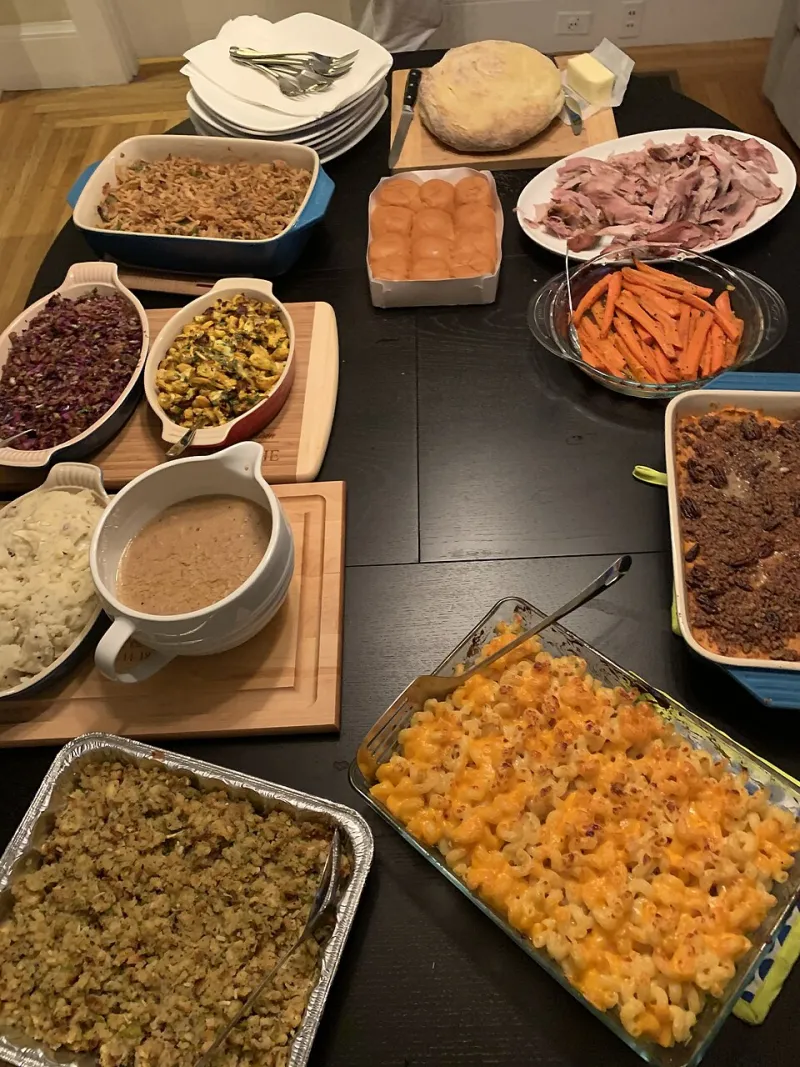
Photo: HaJunkiyada, CC BY-SA 4.0, via Wikimedia Commons
The jar arrived the way most things arrive in my kitchen: impulsively, during an online shopping session I barely remember. A small glass vessel of yuzu kosho — the fermented paste of yuzu citrus peel, green chiles, and salt — cost me six dollars and then sat in my refrigerator door for four months, judging me.
It wasn't until mid-November, staring down the barrel of my fourteenth identical Thanksgiving menu, that I had the thought that would define the holiday: what if every single dish on this table met a Japanese condiment?
The Rules of the Experiment
I set three conditions for myself. First, no dish could be replaced — this was still recognizably Thanksgiving. Second, the Japanese ingredient had to be integral, not a garnish bolted on for novelty. Third, my family would eat it without warning. The guest list included my mother, who has described quinoa as "a cry for help," so the stakes were genuine.
The condiments in rotation: yuzu kosho, shichimi togarashi (the seven-spice blend), umeboshi (pickled plum), white miso, and a bottle of good soy sauce. Total additional cost: under twenty dollars.
The Turkey, Brined in Two Traditions
The bird got the boldest treatment. Into the standard salt-sugar brine went four tablespoons of white miso, which does what salt does but with a rounder, almost nutty depth. The result was the moistest turkey I've ever produced, with a bronzed skin that owed its color to the miso's natural sugars.
Under the skin, a thin layer of yuzu kosho butter. Here's the thing about yuzu kosho: it doesn't taste like heat so much as brightness — a floral, almost electric citrus note that lands somewhere between grapefruit zest and a jalapeño's whisper. Slathered beneath turkey skin and roasted for three hours, it mellowed into something subtle. My brother-in-law, a man who puts ranch dressing on pizza, asked what "the secret herb" was. I told him. He didn't believe me.
Gravy, Miso, and the Fifth Taste
The gravy was the experiment's greatest triumph. After deglazing the roasting pan, I whisked in a single tablespoon of white miso along with the usual flour and stock. Miso is, of course, a umami delivery system — the same reason American food manufacturers have quietly started adding it to everything from salad dressings to frozen dinners.
The effect was a gravy with noticeably more depth, the kind of savory backbone that usually requires a pan of drippings and a prayer. Nobody identified it as Japanese. Everybody asked for seconds.
Mashed Potatoes Meet Umeboshi
This was the riskiest pivot. Umeboshi — intensely sour, salty pickled plums — are a breakfast staple in Japan, traditionally paired with rice. Finely mincing half a plum into the potatoes alongside the butter and cream added an acidity that cut through the richness in a way a splash of vinegar never quite manages.
My mother's verdict, delivered after a long pause: "Interesting." In her dialect, this is a standing ovation.
Cranberry Sauce, Reinvented Twice
Two versions hit the table. The first folded a teaspoon of yuzu kosho into the standard cranberry-orange preparation, where the citrus-chile paste deepened the fruit's natural tartness. The second borrowed from the Japanese habit of pairing fruit with shichimi togarashi — a pinch of the spice blend into the simmering sauce added a warming, peppery finish that made the canned alternative on the table look genuinely sad by comparison.
What the Experiment Actually Proved
I expected gimmickry. What I got instead was a lesson in why Japanese condiments integrate so seamlessly into other cuisines: they are engineered around balance. Yuzu kosho brings acid and heat in one stroke. Miso brings salt and umami. Umeboshi brings sourness and salt. Each one replaces an American ingredient doing a partial job with something doing the job completely.
Thanksgiving is, at its heart, a meal built on richness — butter, cream, fat, starch. The Japanese pantry's greatest gift to that table is contrast. A half-teaspoon of something bright, fermented, or spicy makes the tenth bite of mashed potatoes as interesting as the first.
A Modest Proposal for Next Year
I'm not suggesting anyone abandon tradition. I'm suggesting that tradition and a six-dollar jar of citrus-chile paste are not enemies. Start small: miso in the gravy, shichimi on the roasted squash, yuzu kosho butter under the turkey skin. Keep the canned cranberry sauce on the table for the traditionalists. My mother will understand.
The jar in my refrigerator door is nearly empty now. I've already ordered three more.