Bring the Counter Home: What a $200 Pantry Haul Really Buys the American Omakase Cook
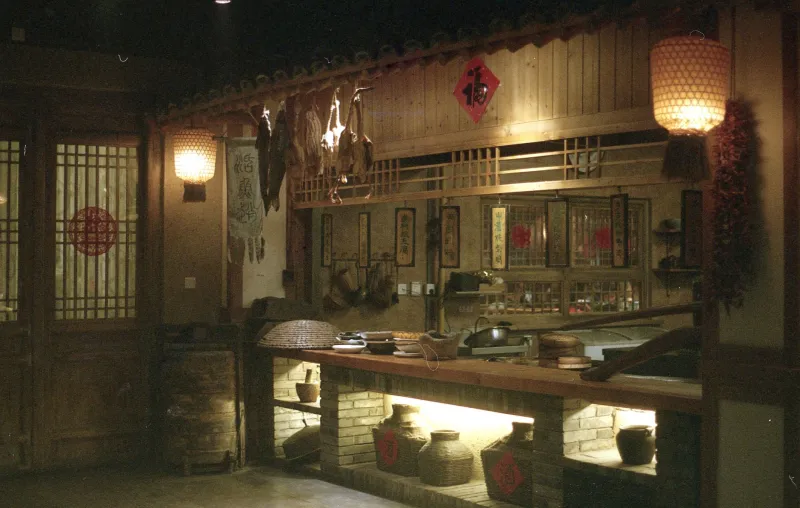
The tasting counter in Ginza does not publish its prices, but anyone who has booked a seat knows the range: two hundred dollars and up, before the sake pairing. A certain kind of American cook has started doing the math differently. Instead of one extraordinary evening out, they are spending the same amount — sometimes a little more — at the grocery store, building a pantry capable of producing that experience repeatedly, at home, on a Tuesday.
We spent time with several of these home omakase enthusiasts, examined their receipts, and came away with a clear picture of what a serious Japanese pantry actually costs, what it delivers, and where a first-timer can save without compromising the meal.
Where the Two Hundred Dollars Actually Goes
Break down a typical starter haul and a pattern emerges. The largest single line item is usually rice — and not just any rice. A premium short-grain variety such as Koshihikari, grown in California or imported from Japan, runs two to three times the price of supermarket white rice. A five-pound bag might cost twenty-five dollars. It sounds extravagant until you realize it anchors every course: vinegared for sushi, simmered with dashi, or simply served plain at the end of the meal.
The second big category is condiments. Aged, barrel-pressed soy sauce from a small brewery can run fifteen to twenty dollars a bottle. Real wasabi — the fresh rhizome, not the green tube — sells for eight to fifteen dollars per root. Yuzu kosho, the fermented citrus-chile paste from Kyushu, adds another ten. None of these are strictly necessary, and yet, once tasted, they are difficult to go without.
The remainder goes to dashi ingredients (kombu and katsuobushi, roughly twenty dollars combined and lasting months), a bottle of mirin and rice vinegar, and, for the ambitious, a piece of quality seafood from a Japanese or well-stocked fish market.
The Splurges That Matter — and the Ones That Don't
Not every premium ingredient earns its price tag. Based on what actually changes the food, here is an honest accounting.
Worth every dollar: Fresh wasabi, grated at the table on a sharkskin grater, bears almost no resemblance to the paste most Americans grew up with — it is floral, faintly sweet, and gone in seconds. Good rice, likewise, is the foundation of everything; no technique can rescue a mediocre grain. A proper soy sauce, brewed and aged rather than chemically produced, is the difference between seasoning and flavor.
Worth it once you're committed: Yuzu kosho and yuzu juice transform simple grilled fish and hot pot. A dedicated rice cooker with a good reputation is a genuine quality-of-life upgrade, though a heavy pot with a tight lid works fine.
Skip for now: Ultra-premium knives, ceramic grating plates, and imported tableware can wait. Enthusiasm outpaces equipment in nearly every first-year pantry, and a sharp chef's knife you already own will do admirable work.
Staging the Meal: A Practical Sequence
The genius of the omakase format, it turns out, is how well it suits a small home kitchen. Courses arrive one at a time, which means you cook one thing at a time. No oven timing, no simultaneous pans, no chaos.
A workable home sequence for four to six guests:
- A starter with presence. Chilled tofu with fresh grated wasabi and a few drops of the good soy sauce. Five minutes of work, maximum impact.
- Something simmered. Vegetables or fish poached in dashi with a touch of mirin. This is where the pantry investment quietly shows its depth.
- The centerpiece. Grilled fish — sablefish or yellowtail — finished with yuzu kosho, over rice.
- Soup and rice to close. Miso soup and a modest bowl of plain rice, the traditional signal that the meal is complete.
- Something sweet and small. Seasonal fruit, or a single wagashi-style confection from a Japanese market.
The total ingredient cost for the dinner itself, once the pantry is built, often lands under forty dollars. The expensive part is behind you — and it keeps paying out.
The Real Argument for the Home Counter
Talk to these cooks long enough and the money stops being the point. What they describe, almost without exception, is a different relationship to the meal: the pacing they control, the guests they choose, the ability to repeat and refine a dish until it approaches what they tasted at a counter in Tokyo or in Los Angeles's Little Tokyo.
The two-hundred-dollar grocery run is, in that sense, less a splurge than a tuition payment. It buys an education in seasoning, seasonality, and restraint — the same lessons the counter teaches, delivered at kitchen-table prices over years rather than in a single evening.
For American cooks raised on the idea that restaurant-quality Japanese food requires a restaurant, the pantry argues otherwise. It asks only for good rice, honest soy sauce, and the patience to serve one course at a time.