Two Ingredients, Five Minutes: The Japanese Breakfast Quietly Winning Over American Mornings
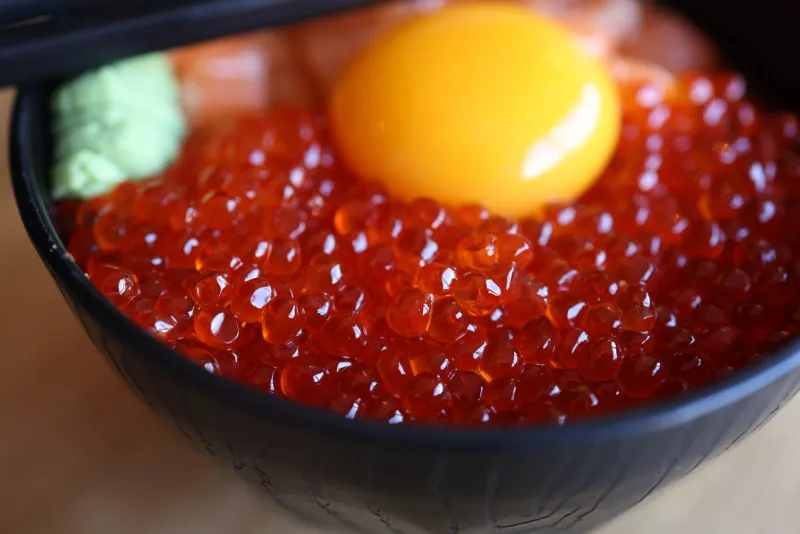
In Tokyo, the dish needs no menu. Before dawn, convenience stores stock rows of fresh eggs beside steamed rice packets, and salarymen crack one over the top with a splash of soy sauce before catching the Yamanote line. The dish is tamago kake gohan — literally "egg over rice" — and it may be the most quietly influential breakfast Japan has ever exported.
For American readers, the idea of eating a raw egg can sound reckless. That reaction is understandable, and it is exactly where this conversation should begin.
A Breakfast Built on Restraint
Tamago kake gohan, often abbreviated TKG by devotees, consists of a very fresh raw egg stirred into a bowl of hot, short-grain rice, seasoned with soy sauce and sometimes a dashi drizzle or furikake. The heat of the rice gently warms and thickens the egg, creating a glossy, custard-like coating that clings to each grain.
There is no technique to master and no equipment to buy. The appeal lies in texture and timing — the same qualities American diners have learned to prize in a perfect carbonara or a hand-cut steak tartare. What looks like a poverty meal is, in practice, a study in ingredient quality. When you eat a dish with two components, both must be excellent.
The Safety Question, Answered Honestly
Japan's egg supply is managed specifically to support raw consumption: eggs are washed, sanitized, and sold with short expiration windows. The United States does not run the same system, so American home cooks should approach the dish with slightly different habits rather than blind faith.
The practical guidance is straightforward. Purchase pasteurized shell eggs or pasteurized liquid eggs, which are widely available at major American grocers and eliminate salmonella risk while retaining the rich, runny texture the dish requires. Alternatively, source eggs from a local farm with strong handling practices and use them well within a week of laying. Keep eggs refrigerated, and never leave a raw egg at room temperature for extended periods.
Chefs we spoke with were blunt on this point: the dish rewards care, not paranoia. A pasteurized egg stirred into hot rice delivers roughly the same silky result as its unpasteurized counterpart — and it removes the guesswork entirely.
Why It Fits the American Moment
American breakfast culture is undergoing a quiet correction. The pastry-and-latte model is losing ground to a demand for protein, speed, and satiety. Gym-goers and desk workers alike want something that holds them until two in the afternoon without a drive-thru detour.
TKG answers that brief almost perfectly. One large egg contributes around six grams of high-quality protein; a proper bowl built on a cup and a half of rice with two eggs pushes past twelve, before any toppings. Preparation time, once the rice is cooked, is under a minute. Total cost rarely exceeds a dollar.
Compare that to the typical American brunch plate, where a similar nutritional profile arrives with a forty-minute wait and a twenty-dollar check. There is room in the world for both — but on a Tuesday morning, the arithmetic favors the bowl.
What American Cooks Are Discovering
Among the home cooks and restaurant professionals experimenting with the dish, a few patterns emerge. First, rice matters more than anyone expects. Calrose or, better, a koshihikari-style short grain gives the stickiness the egg needs to bind. Day-old refrigerated rice, reheated with a splash of water, works acceptably in a pinch.
Second, seasoning is where personality enters. Purists stick to soy sauce. Adventurous cooks add toasted sesame oil, shichimi togarashi, finely sliced scallion, or a spoonful of mentaiko. One Midwest-based chef we interviewed folds in a few drops of rice vinegar and cracked pepper, calling the result "the breakfast version of a perfect weeknight pasta — nothing you could remove and still recognize the dish."
Third, the dish adapts. Swap the rice for warm quinoa or leftover barley and the logic still holds. American kitchens, it turns out, do not need to replicate Japan exactly; they need to understand the principle — one exceptional ingredient, one warm base, one moment of care.
A Small Ritual Worth Adopting
There is a temptation to frame dishes like tamago kake gohan as trends — something to be discovered, optimized, and discarded. That would miss the point. In Japan, this is comfort food in the truest sense: the meal someone's grandmother made, the first thing eaten after a long trip, the cure for a difficult week.
What it offers an American morning is not novelty but simplicity with a spine. A hot bowl, a good egg, a moment of stirring before the day begins. In an era when breakfast is either skipped or over-engineered, that restraint may be the most American thing about it.