Ten Minutes to a Better Kitchen: The Dashi Method American Home Cooks Keep Overlooking
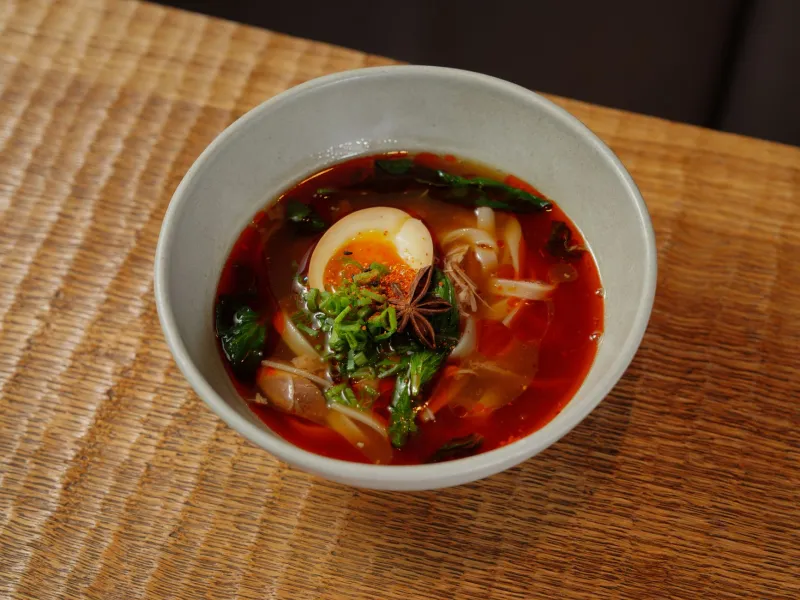
Somewhere between the instant ramen packets and the chicken bouillon granules in most American kitchens sits a flavor gap that no amount of garlic or butter can quite fill. It is the taste of depth — savory, oceanic, quietly complex — and in Japan, it has a name and a recipe that takes ten minutes to execute.
The name is dashi. The recipe could not be simpler. And once you understand it, the way you cook soup, sauce, grains, and even mashed potatoes changes permanently.
What Dashi Actually Is
At its core, dashi is not a soup but an infusion. Two ingredients do nearly all the work: kombu, a thick ribbon of dried kelp, and katsuobushi, shavings of smoked, fermented bonito fish. When steeped in hot water — not boiled, steeped — the kombu releases glutamic acid, the compound behind umami, while the bonito contributes inosinate, a second savory molecule. Food scientists have long noted that these two compounds, when combined, amplify each other dramatically. This is what makes dashi taste far greater than the sum of its two unremarkable-looking ingredients.
The Japanese have built an entire cuisine on this foundation. Miso soup is dashi with miso stirred in. Simmered vegetables, noodle broths, chawanmushi custard, even the sauce on a plate of agedashi tofu all begin with the same steep. In the kitchens of Ginza, where the chefs at Tokyo's finest counters treat broth-making as a daily ritual, dashi is often drawn fresh each morning before anything else is prepared.
The good news for American home cooks: the version worth making on a Tuesday night is nearly effortless.
The Ten-Minute Method
Here is the entire process. Tear a four-inch piece of kombu into a saucepan with four cups of cold water. Set it over medium heat and remove the pan just before the water boils — small bubbles at the edge of the pot are your signal. Fish out the kelp, scatter in a generous handful of katsuobushi (roughly two loosely packed cups), and let it steep off the heat for five minutes. Strain. Done.
What you are left with is a pale, faintly fragrant liquid that tastes like the sea in the best possible way: savory, clean, a little smoky. It is astonishing that something this flavorful required no chopping, no browning, no stockpot of bones simmering for half a Sunday.
A few practical notes. Do not squeeze the bonito flakes when straining, or the broth turns bitter. Store the finished dashi in the refrigerator for up to four days, or freeze it in one-cup portions in a muffin tin for longer keeping. And resist the urge to crank the heat — boiling dashi, especially with the kombu in it, muddies the flavor and can turn it bitter.
Three Variations Worth Learning First
Kombu-only dashi (vegan-friendly). Steep the kelp in the water for thirty minutes before turning on the heat, then warm gently and remove just below a simmer. This version is delicate and clean, ideal for miso soup on its own, poaching fish, or cooking rice. Vegetarians take note: this broth delivers genuine umami with no animal products at all.
Niboshi dashi. Swap the bonito for a small handful of dried baby sardines, heads removed. The result is bolder and more rustic, the kind of broth that stands up to hearty miso and noodle soups. It is a staple of Japanese home kitchens precisely because it is cheap and assertive.
Awase dashi, the classic. The kombu-and-bonito combination described above. This is the all-purpose workhorse — use it anywhere you would reach for chicken broth, and in places you would never think to.
Where to Buy the Ingredients in the United States
Both ingredients keep for months in the pantry, which makes stocking them a one-time errand. Any H Mart, 99 Ranch, Mitsuwa, or Uwajimaya carries kombu and katsuobushi, usually for less than ten dollars each. Most natural foods co-ops and many Whole Foods locations now stock them as well, and online retailers deliver nationwide. Look for kombu labeled ma-kombu or kombu with a dusty white powder on the surface — that powder is mannitol, a natural source of sweetness and flavor, not mold. For katsuobushi, choose bags of thin, pinkish shavings rather than anything pre-seasoned.
One jar of each will yield dozens of batches. The economics alone justify the shelf space: a batch of dashi costs roughly sixty cents and outperforms a carton of store-bought broth that costs four dollars and tastes, by comparison, like warm salt water.
Beyond the Soup Pot
Treating dashi strictly as a soup base undersells it. Substitute it for the water in rice and the grains become noticeably more savory. Use it to loosen mashed potatoes instead of milk and cream. Whisk it into a vinaigrette with rice vinegar and a touch of miso for a dressing that makes plain lettuce taste deliberate. Simmer chicken thighs, tofu, or winter squash in it for a weeknight dinner that requires almost no seasoning. It is the rare ingredient that improves nearly everything it touches while asserting almost nothing of its own.
The deeper lesson, though, is about how flavor gets built. American cooking tends to chase intensity — more salt, more fat, longer reductions. Japanese cooking starts with an infusion that takes ten minutes and builds outward from there. For the home cook willing to keep two bags in the pantry, that is not a philosophy to study. It is simply dinner, made better.