Past Midnight, the Best Meal in Town Comes From a Refrigerator Case
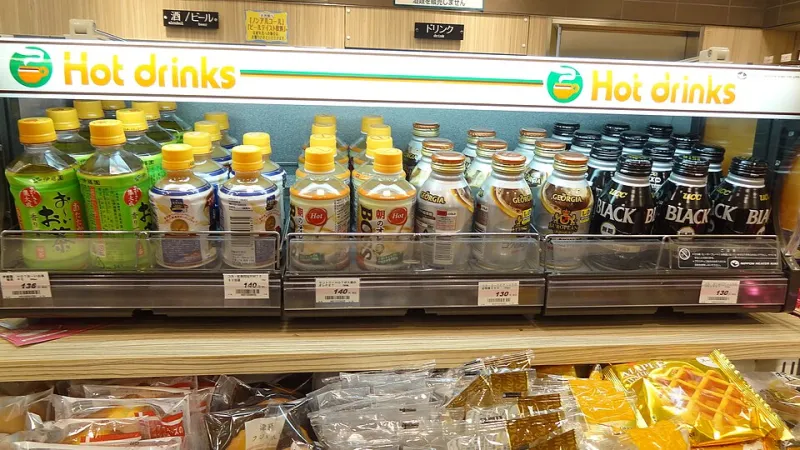
Photo: Martin Lewison, CC BY-SA 2.0, via Wikimedia Commons
It is 11:40 on a Tuesday night in Chicago, and somewhere in the Loop a shift worker is standing in front of a refrigerated case, weighing her options. In Tokyo, this exact moment has been solved for decades. The answer is the konbini — 7-Eleven, Lawson, FamilyMart — and it has turned the humble convenience store into one of Japan's most respected food institutions.
American chains have noticed. And so, increasingly, have American diners, who are discovering that the konbini model is less about grabbing calories and more about a small, nightly ritual of care.
What Makes Konbini Food Different
The first thing a visitor notices in a Japanese convenience store is not the selection — it's the standards. Onigiri, those pressed rice triangles wrapped in crisp nori, are made fresh multiple times a day and stamped with a packing time. The egg salad sandwich, a cult item if there ever was one, uses cloud-soft milk bread with the crusts trimmed, the filling whipped to a texture closer to mousse than potato salad.
Then there is the hot case: karaage, fried chicken in a paper cup, engineered to stay crunchy under a heat lamp. Bottled green tea, cold barley tea, and — after a certain hour — single cans of chuhai, the sparkling shochu cocktail that Japanese law allows only in cans sold at room temperature or chilled, never a full bottle.
None of this is accidental. Japanese konbini operate on a philosophy of turnover and precision. Food is made in small batches, rotated constantly, and developed by culinary teams with real budgets. The result is gas-station convenience executed at restaurant quality.
The American Translation Is Underway
The US has long treated convenience stores as a last resort, a place for roller hot dogs and fountain soda. That is changing quickly. 7-Eleven's American arm has been quietly expanding its fresh-food program, testing rice bowls and bento-style boxes in urban markets. Independent Japanese markets in Los Angeles, Seattle, and New Jersey have long stocked house-made onigiri, and now mainstream groceries like H Mart and even some Whole Foods locations carry versions of the egg sando.
A handful of specialty shops have gone further, opening as dedicated konbini-style storefronts — part retail, part snack counter — in cities like New York, Austin, and Portland. They sell imported KitKats and canned coffee, yes, but the real draw is the refrigerated case: fresh onigiri, karaage in a cup, and a growing shelf of canned chuhai and Japanese beer.
The demand is not hard to explain. The American late-night food landscape has always been thin — fast food, delivery apps with surge pricing, or nothing. Konbini culture offers a fourth option: something made today, eaten tonight, costing a few dollars.
A Taste-Test Guide: Where to Find the Real Thing
Not every attempt at konbini food in America succeeds. The rice is wrong, or the nori is chewy, or the karaage has sat too long. Based on what we have tasted across the country, here is where the format is being done justice.
Japanese markets with house-made onigiri. In cities with meaningful Japanese communities — Torrance and San Jose in California, Edgewater in New Jersey, parts of Houston — family-run markets fill cases each morning. Look for rice that is glossy and seasoned, not dry, and nori wrapped in plastic film to keep it crisp until you tear it.
The egg sando, done properly. The benchmark is simple: shokupan milk bread, an egg salad bound with Kewpie mayonnaise, a whisper of salt. If the filling tastes sharp or vinegary with standard mayo, it is an imitation. A growing number of Asian bakeries and Japanese-style cafes now make a credible version, and it is worth seeking out.
Karaage in a cup. This one is harder to find done well outside of Japan, because it lives or dies on freshness. Some izakaya and Japanese delis now offer takeout karaage, and it travels far better than most fried food if eaten within an hour. Ginger and soy in the marinade, potato starch in the coating — those are the tells of the real thing.
Canned chuhai. American liquor stores increasingly stock imports like Strong Zero-adjacent styles and lemon sours from Japanese brewers. In states where spirits sales are controlled, check larger chain retailers. The flavor profile — tart, lightly sweet, dangerously drinkable at around 7 to 9 percent alcohol — is unlike anything in the American canned-cocktail aisle.
Make the Essentials at Home
The good news for the curious: the core konbini repertoire is among the most approachable in Japanese cooking. Three projects will get you most of the way there.
Onigiri. Cook short-grain rice, season it lightly with salt while still warm, and shape it with wet hands — or use plastic wrap to avoid burning your palms. Classic fillings: salted salmon flakes, umeboshi, or tuna mixed with Kewpie mayo. Wrap in nori just before eating.
The egg sando. Hard-boil four eggs, mash with two tablespoons of Kewpie mayonnaise, a pinch of salt, and a pinch of sugar. Spread thickly on soft, crustless white bread. Chill for an hour, then cut into triangles. Restraint is the whole recipe.
Karaage. Marinate boneless chicken thighs for thirty minutes in soy sauce, sake, grated ginger, and garlic. Coat in potato starch — not flour — and fry at 340°F until golden, about four minutes, then rest and fry again for thirty seconds. Serve in a paper cup with lemon, ideally standing in your own kitchen at an hour your doctor would disapprove of.
Why It Matters
The konbini's rise in America is not really about snacks. It is about a philosophy: that convenience and quality are not opposites, and that a meal eaten alone at midnight deserves the same care as a dinner party. Japanese food culture has long understood that dignity lives in small rituals — a warm rice ball, a cold can, a moment of quiet before the next day begins.
American food culture, at its best, is learning the same lesson. The refrigerator case, it turns out, was never the enemy. It just needed better things inside it.