One Evening, Never Again: How Ichigo Ichie Is Changing What American Diners Expect from a Reservation
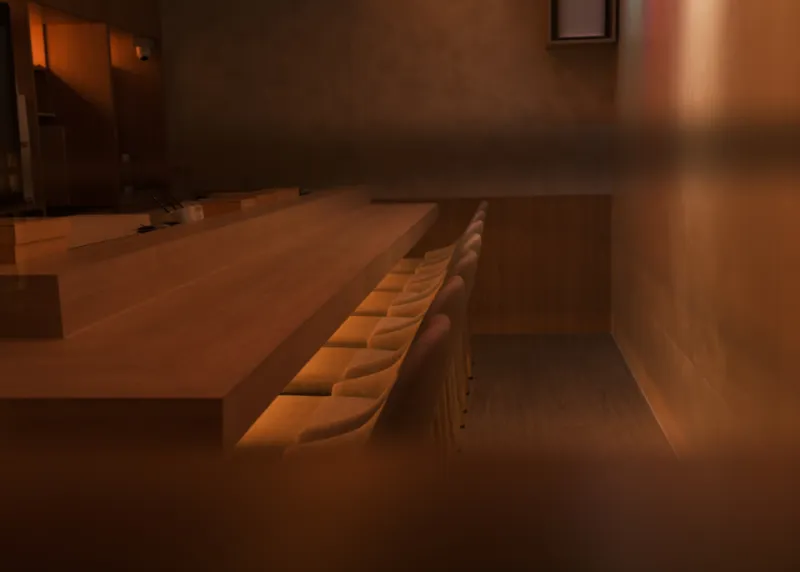
Photo: Bobby.Creations, CC BY 4.0, via Wikimedia Commons
There is a moment familiar to anyone who has dined at a serious omakase counter in Ginza: the chef pauses, looks at the night's delivery of sea bream, and quietly decides that tonight's course will be something no guest has tasted before — and no guest ever will again. The fish arrived that morning. The preparation was chosen for this evening, this season, this room. Tomorrow, the menu changes.
The Japanese call the underlying idea ichigo ichie — "one time, one meeting." For American food lovers, understanding it may be the most valuable thing they bring home from a tasting menu, even more than the meal itself.
A Phrase Born in the Tea Room
Ichigo ichie has its roots in the sixteenth-century tea ceremony, where the host prepared each bowl of tea as though the gathering would occur only once in a lifetime. Even if two people met again the following week, that particular meeting — those particular circumstances, that particular mood — could never be recreated. The phrase was later popularized by tea master Yamanoue Sōji and became a cornerstone of Japanese hospitality.
Applied to dining, ichigo ichie transforms a meal from a product into an event. The chef is not delivering a dish the guest has ordered; the chef is staging something that exists only in that hour. The seasonality of the ingredients, the weather outside, the mood of the room, the composition of the guests at the counter — all of it is material, and none of it is repeatable.
Why This Feels Foreign to American Diners
American food culture is, in many ways, built on repetition. We find a favorite ramen shop and become regulars. We order the same burrito every Tuesday. Restaurant loyalty programs, signature dishes, and comfort-food nostalgia all reward the return visit. There is real virtue in this — consistency is a form of respect for the customer.
But it trains us to treat a restaurant as a vending machine for a known pleasure. When we sit down at a kaiseki counter expecting our usual preferences to be honored, we are, in a sense, asking the evening to be a rerun.
Ichigo ichie asks the opposite. It asks the diner to bring full attention to a moment that will not come again, and it asks the chef to respond to that moment honestly. The result can be disorienting at first. There is no menu to consult, no familiar dish to anchor the experience. There is only now.
The Once-in-a-Lifetime Meal, Structurally Speaking
What does this look like in practice? Consider the mechanics of a high-level omakase in Tokyo:
- The market decides. The chef visits the market each morning and builds the evening around what is genuinely at its peak. If the anago is extraordinary and the tuna is merely good, the menu reflects that.
- Portions are calibrated to the room. A chef watching his guests eat will adjust pacing, seasoning, and even the order of courses.
- Seasonality is non-negotiable. Certain dishes appear for a few weeks each year and then vanish until the next. Miss the window, miss the dish.
- The seating itself matters. Who sits beside you, what the chef observes about your appetite — these shape the evening.
None of this can be standardized, which is why it resists the franchise model that dominates so much of American dining. And that resistance is exactly what draws American travelers to Ginza's counters in the first place: the promise of a dinner that exists nowhere else, for no one else, ever again.
Bringing Ichigo Ichie Home: A Practical Guide
The good news is that you do not need a plane ticket to Tokyo to eat this way. The philosophy has taken root across the United States, and with the right approach, you can experience it closer to home.
Seek out counter-only omakase. American cities now host serious sushi counters from San Francisco to Chicago to New York — intimate rooms of eight to twelve seats where the chef works without a printed menu. These are the natural home of ichigo ichie in America.
Book kaiseki-style tasting rooms. A small but growing number of American restaurants practice kaiseki, the multi-course seasonal tradition from which ichigo ichie emerged. Expect menus that change monthly, sometimes weekly.
Go in shoulder season. The most committed practitioners build menus around brief seasonal windows — the first spring mountain vegetables, the short season for certain river fish. Dining in these weeks offers the truest version of the experience.
Resist the rerun impulse. If you love a restaurant, the ichigo ichie approach suggests returning not to relive the same meal, but to receive a different one. Tell the chef you're open to anything in season and let go of your usual order.
Keep a dining journal. Because these meals cannot be repeated, memory becomes the only souvenir. Many regulars at omakase counters keep notes — the date, the season, the dish that surprised them. It sounds precious until you try it; then it becomes the point.
One Time, One Meeting
Ichigo ichie is sometimes mistaken for exclusivity — a marketing gloss on expensive dinners. It is closer to the opposite: a discipline of attention. The meal is not rare because it costs a great deal. It is rare because this evening, this ingredient, this gathering will never assemble again.
For American diners raised on the comfort of the usual order, that can feel like a loss of control. Sit with it, and it starts to feel like a gift. The next reservation on your calendar is not a repeat of a pleasure you already know. It is a single, unrepeatable meeting — and it deserves your whole attention.