Steep First, Pour Later: A Working Sequence for Tea at a Japanese Table
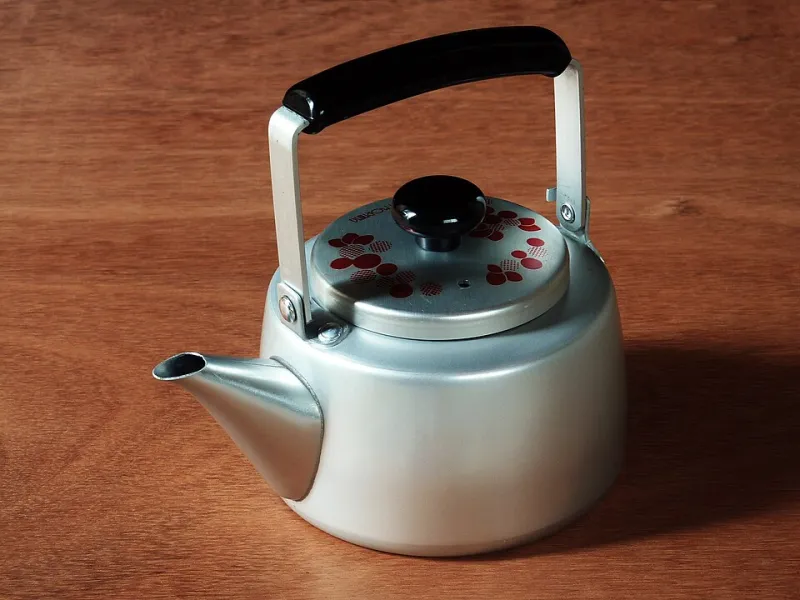
Photo: Quercus acuta, CC BY-SA 4.0, via Wikimedia Commons
Ask a serious American restaurant about its beverage program and you will hear about sake, and rightly so. The category has grown, been explained, and been priced with confidence. Ask the same restaurant about tea and the answer is likely a single sencha, brewed once, brought to the table in a cup that sits untouched beside the water glass. This is a missed opportunity, and it is a specific one: Japanese cuisine has an older and more finely calibrated pairing tradition than the one currently on the wine list.
What Sake Solved, and What It Left Behind
The sake work was necessary. Diners needed permission to order it, servers needed vocabulary, and restaurants needed to stop treating it as a novelty. But the emphasis on alcohol has narrowed what a Japanese meal can be. Half of the guests at an American table on any given evening are not drinking, or not drinking much, and they are handed a glass of the same green tea that came with the edamame. The pot has been there the whole time.
This publication's argument is simple. A carefully sequenced tea service is not a consolation prize for the abstinent. It is a pairing system with its own logic — one that measures bitterness, umami, and roast against the food in a way that wine pairing language has not yet learned to describe.
The Chemistry Behind the Sequence
Four variables govern a cup. Water temperature, leaf-to-water ratio, steep time, and the leaf itself. Sencha wants water at 70 to 80 degrees Celsius for about a minute, roughly five grams to two hundred milliliters. Gyokuro wants it cooler still, near 50 to 60, and longer. Hojicha, already roasted, tolerates near-boiling water for thirty seconds. Genmaicha sits around 80 degrees for forty-five seconds. Matcha is not steeped at all: two grams of powder, seventy milliliters of water at 70 to 80 degrees, whisked to a standing foam.
Get the temperature wrong and the food suffers. A sencha brewed with boiling water turns bitter, and bitterness flattens the sweetness of fresh fish. This is why the service must be trained, not improvised.
A Sequence Worth Building a Menu Around
On arrival: cold-brewed sencha. Bright, faintly sweet, low in astringency, and hospitable. It resets a palate that arrived from the street and it costs almost nothing.
Sashimi and sushi: gyokuro, or a premium sencha served cool. These teas carry L-theanine and glutamate, which is to say they taste of the same savory register as the fish. Brew them low and slow; a cup that is too hot will read as bitter beside raw fish.
Tempura: hojicha. Roasted tea with low tannin cuts through oil without adding acidity. It is the pairing most likely to convert a skeptic, because the effect is immediate.
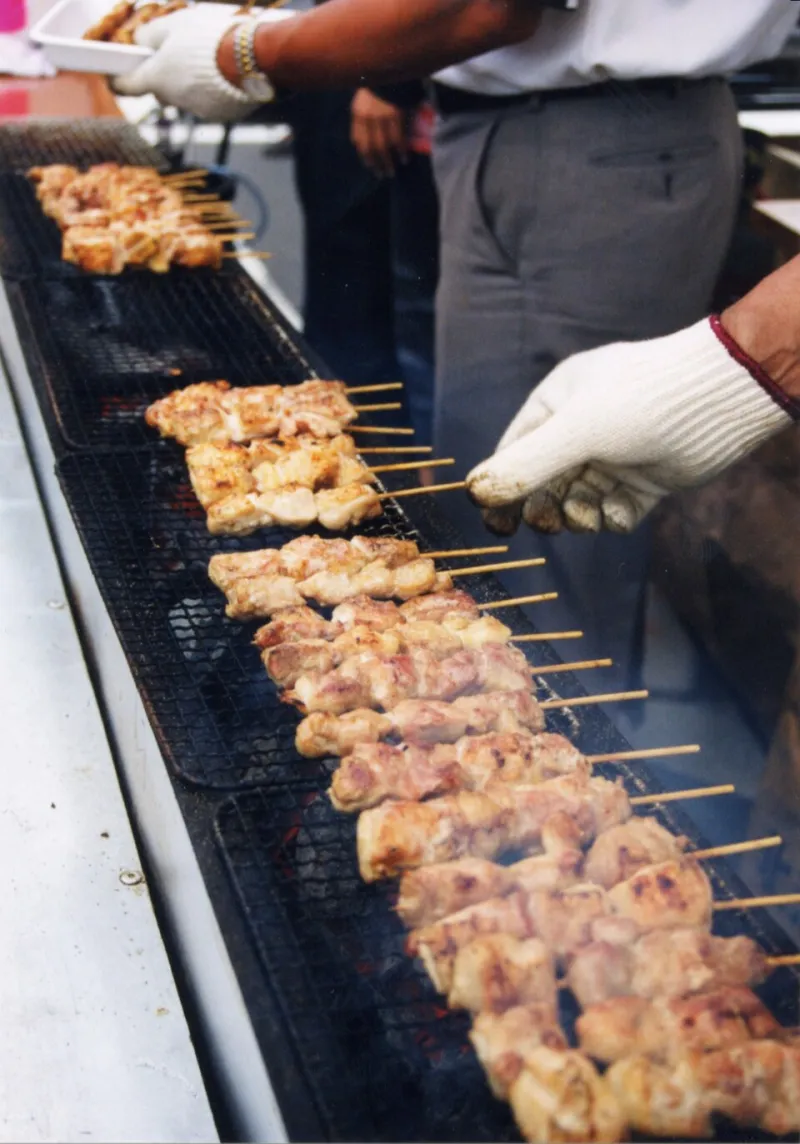
Grilled dishes: genmaicha. The toasted rice in the blend echoes charcoal and soy, and it holds up to smoke in a way a delicate green tea cannot.
Nabemono and braises: bancha or a darker hojicha. Structural, earthy, and forgiving of a long meal.
Dessert: matcha, whisked to order. Served with a sweet, it closes the meal with a deliberate bitterness rather than a sweet one — a logic that a dessert wine cannot supply.
The Objections, Answered
The first complaint is margin. Fair. But a tea flight priced at twenty-eight to forty-five dollars against a cost of materials near two dollars is not a poor business. The second complaint is labor, and it is real: a sequence demands kettles at controlled temperatures, pre-portioned caddies, and staff who know that sencha yields a second and third infusion, each shorter than the last. That labor also produces theater, since a second steep poured at the table is a course marker as legible as a wine pour.
The third complaint is that guests expect wine. They expect a lot of things. Restaurants have spent years teaching them about sake; the same persuasion applies.
What the Pot Asks of the Restaurant
Name the teas and their origin, the way a wine list names a producer. Swap by season, since a summer menu of cold sencha and light hojicha reads differently from a winter list built on roasted teas and matcha. Keep a whisking station. Never serve a flavored blend and call it a pairing. And resist the urge to overbrew as service gets busy: a pot forgotten for four minutes is a pot that will be remembered.
The Centerpiece Reconsidered
A meal anchored by a pot offers a rhythm that a bottle cannot quite imitate. The cup changes as the food changes. The meal stays clear-headed. Guests who do not drink are given something designed rather than something substituted. The sake list can remain; it should remain. But a Japanese dinner built around a sequence of teas is not a lesser evening. Very often, it is the better one.