Chicken on a Stick and a Bag of Charcoal: How Yakitori Became America's Most Honest Barbecue
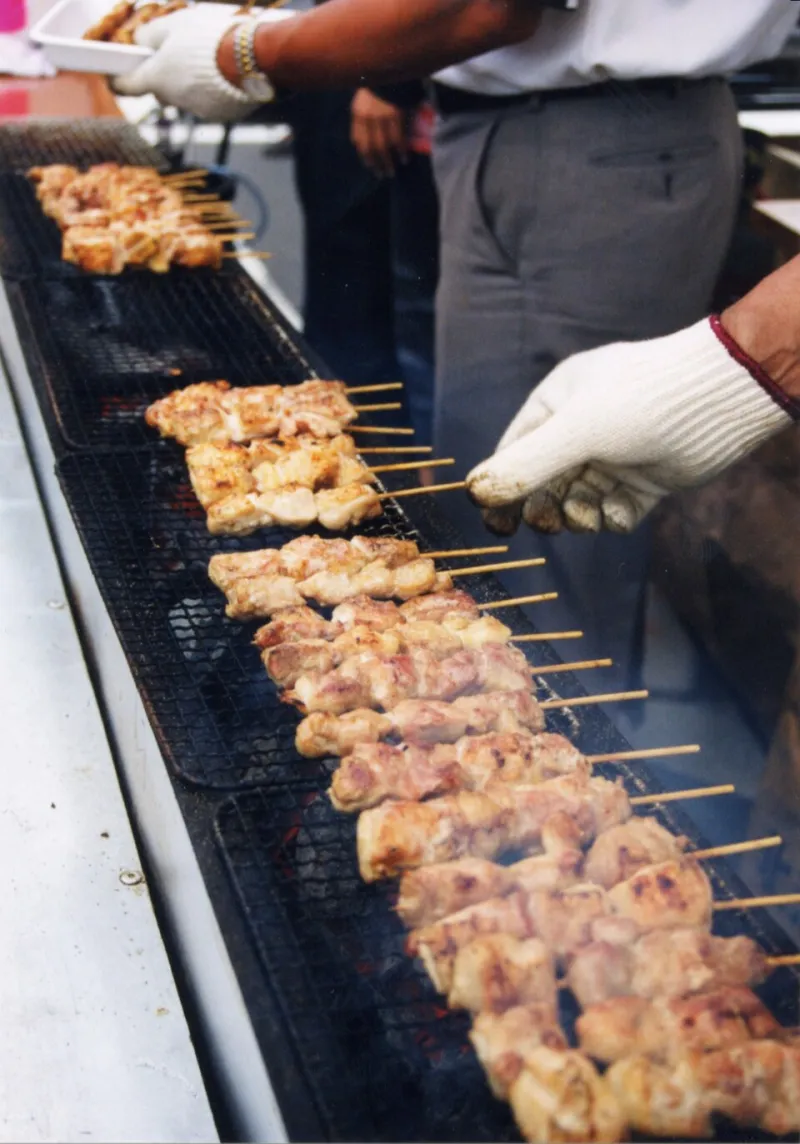
Photo: 竹麦魚(Searobin), CC BY-SA 3.0, via Wikimedia Commons
Ask a Kansas City pitmaster what protein rules the cookout and the answer will involve brisket. Ask the same question in a growing number of American backyards — in Columbus, in Boise, in the quieter corners of the suburbs — and you'll hear something unexpected: chicken thighs, cut into squares, threaded on bamboo, and grilled over a bed of white-hot charcoal.
Yakitori has arrived, and unlike most food trends that reach these shores, it didn't come with a price tag attached. In fact, it may be the cheapest lesson in authentic Japanese cuisine an American cook can buy.
The Economics of the Skewer
Walk into a conventional steakhouse and expect to pay forty dollars for a ribeye. Walk into a proper yakitori-ya and you can eat a multi-course chicken dinner for less than the cost of one steak — because yakitori wastes nothing.
The tradition grew out of necessity. Every part of the bird earns its place: thigh and breast for the classics, skin crisped to a shatter, cartilage (nankotsu) for crunch, even the heart and liver for the adventurous. Nose-to-tail isn't a marketing slogan here; it's the entire business model. A whole chicken that yields two modest steaks can yield fifteen, twenty skewers.
For the home griller, the math is equally persuasive. Chicken thighs run a fraction of the cost of quality beef, they forgive beginners who overcook, and they carry flavor like almost nothing else on the grill.
The Gear Question: Less Than You Think
American barbecue culture is an arms race. Offset smokers, pellet grills, Bluetooth thermometers. Yakitori asks for two things.
First, a konro — a long, narrow, box-like grill, traditionally clay or steel, designed to hold a row of skewers over a tight channel of coals. Tabletop models cost less than a decent cast-iron skillet.
Second, binchotan: Japanese white charcoal that burns nearly smokeless at extreme heat, radiating a clean, steady energy. It lights slowly — a chimney starter or a small butane burner helps — but once glowing, it burns for hours without flaring. Standard lump charcoal works in a pinch; binchotan simply makes everything taste cleaner.
That's the whole setup. Tare (a brushed-on glaze of soy sauce, mirin, sake, and sugar) or plain salt (shio) finishes the job.
A Starter Guide for the First-Time Skewer Cook
- Buy boneless chicken thighs. Cut into even, bite-sized pieces — consistency matters more than precision.
- Soak bamboo skewers for 30 minutes, or invest in reusable metal ones.
- Thread tightly. Yakitori pieces should touch; this keeps the interior juicy while the exterior chars.
- Make a simple tare: simmer equal parts soy sauce and mirin with a splash of sake and a spoon of sugar until syrupy.
- Grill hot and fast, turning frequently. Brush tare on in the final minutes only — sugary glazes burn early.
- Start negima-style: alternating pieces of thigh and scallion. It's the classic for a reason.
Expect your first batch to be imperfect. Expect your second batch to disappear before it reaches the table.
Why It Sticks
Part of yakitori's appeal is ritual. The narrow grill forces you to stand over the coals, turning, watching — the opposite of set-it-and-forget-it barbecue. It turns a weeknight dinner into a ten-minute performance, and guests gather around the konro the way Americans once gathered around the hibachi in the 1970s.
The difference is that this time, the tradition came with instructions. And at roughly three dollars a serving, the barrier to entry has never been lower.